Our founding mission is to promote fair and equal education rights and opportunities, and one of our major actions is in the improvement of educational facilities in rural areas.
Strict adherence to our pillar working principles to ensure construction qualities and efficient usage of resources, has won acclaim and confidence from our communities. Our school construction volunteer teams will conduct site visits to analyze the needs. Once the need for reconstruction of a new school is confirmed, our professional engineer will monitor the construction work until the project complete. To make sure the donation is properly used, after the first installment is paid, the remaining amount will be paid only when the project progress and construction quality are on the right track.
With China’s rapid economic growth and education reform in recent years, however, the needs for school constructions, once critical, has been declining steadily, and this is a positive development that we are glad to have witnessed! Despite that, there are remote areas that still need our assistance in constructing and improving schools, facilities, and equipment. We will continue our effort to providing a safe and complete environment for learning.
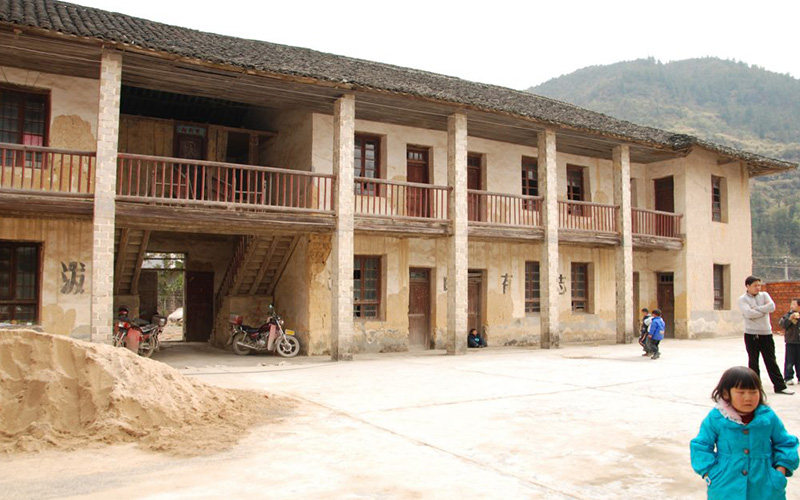
Before reconstruction
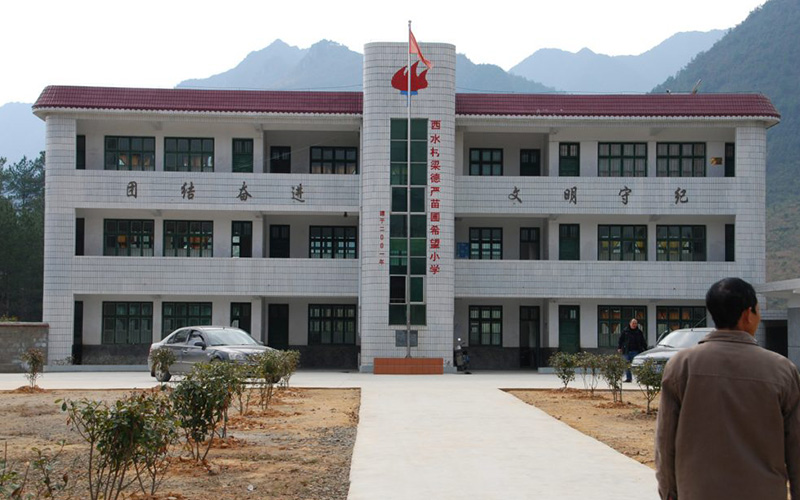
After reconstruction
From our founding to Dec 2017, we have supported constructions of over 1,300 schools and dormitories, completed more than 400 projects in school facility improvements
Programs
Quantity
School reconstruction
999
Dormitory reconstruction
60
Classroom construction
240
Reconstruction of school and dormitories for the Special Needs
4
Reconstruction of school for Teacher Training
1
Support for the betterment of school facilities, maintenance and water supply
472
Chinese School in Lashio, North Myanmar
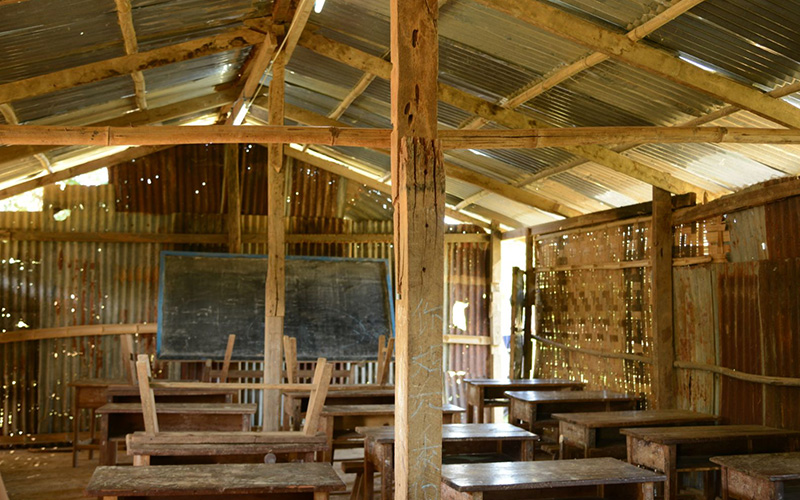
There is a group of ethnic Chinese living in Lashio, in the northern Shan State of Myanmar. They have and established more than 90 Chinese schools without any support from the government. Many of these schools, especially those in the countryside, suffer from a lack of resources. The school premises are rudimentary and dilapidated, often housing nothing except benches and desks.
School fees are the primary source of income for these schools and go entirely to pay teachers’ salaries (roughly HK$600 to HK$1500 a month). Furthermore, the fees collected fluctuate from time to time. Some children are too poor to afford the HK$50 monthly school fees and end up having to leave school.
At the October 2017 Sowers Action Annual General Meeting, service extension to overseas was approved by the members. One month later, the Lashio working group got down to work. After first setting foot in Lashio, the group rushed to visit 13 different Chinese schools to learn about their difficulties.
The working group observed that despite the determination of the principal, teachers and villagers to run the school in a satisfactory manner, a lack of funds meant that many village schools could only use old and shabby houses as classrooms. Some smaller schools even had to squeeze 2 classes of students in one classroom for lessons. Asides from teaching, the teachers also had to double up as cleaning, repair and management staff. Due to their meagre salary, they often had to take on additional part time jobs to support themselves.
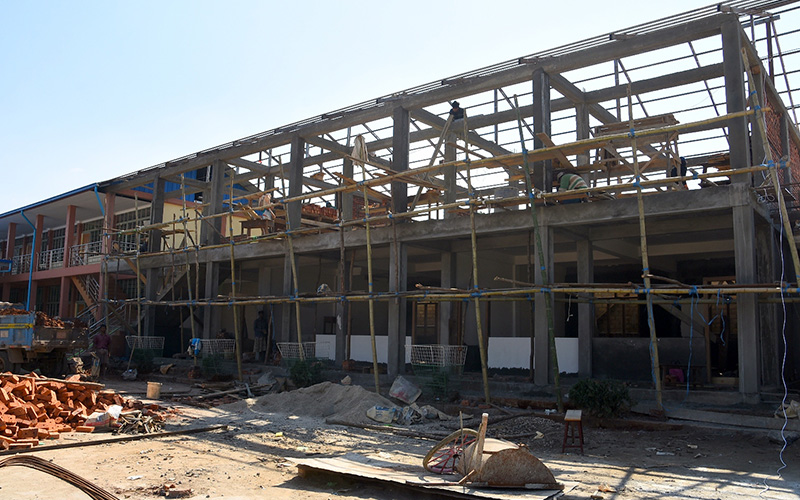
In January 2018, after thorough evaluation, Sowers Action embarked on a series of school building and ancillary initiatives. These included the rebuilding of school premises at risk of collapse, financing the renovation of dilapidated premises as well as the construction of libraries and provision of computers. Other initiatives included improving sanitary conditions in some schools by building toilets and constructing accommodation for teaching staff.